A security flaw in Telegram for Android has made headlines this week.
Researchers say it could let an attacker run code on a phone after the user answered a Telegram voice call.
The good news is that Telegram fixed the problem in an update released in late September 2026.
This article explains what was reported, who is affected, what Telegram says, and the simple steps you can take to stay safe.
What Was Reported?
A security startup called NebuSec published details on October 29, 2026.
The company said a flaw in the Android version of Telegram could be used to run code on a victim’s phone through a voice call, once the victim answered it.
NebuSec says the flaw is part of a chain.
To fully take over a phone, the attacker would need to combine it with other weaknesses, including a separate information leak and an Android flaw.
NebuSec says an attacker would only need an ordinary Telegram account to start the call.
Which Versions Are Affected?
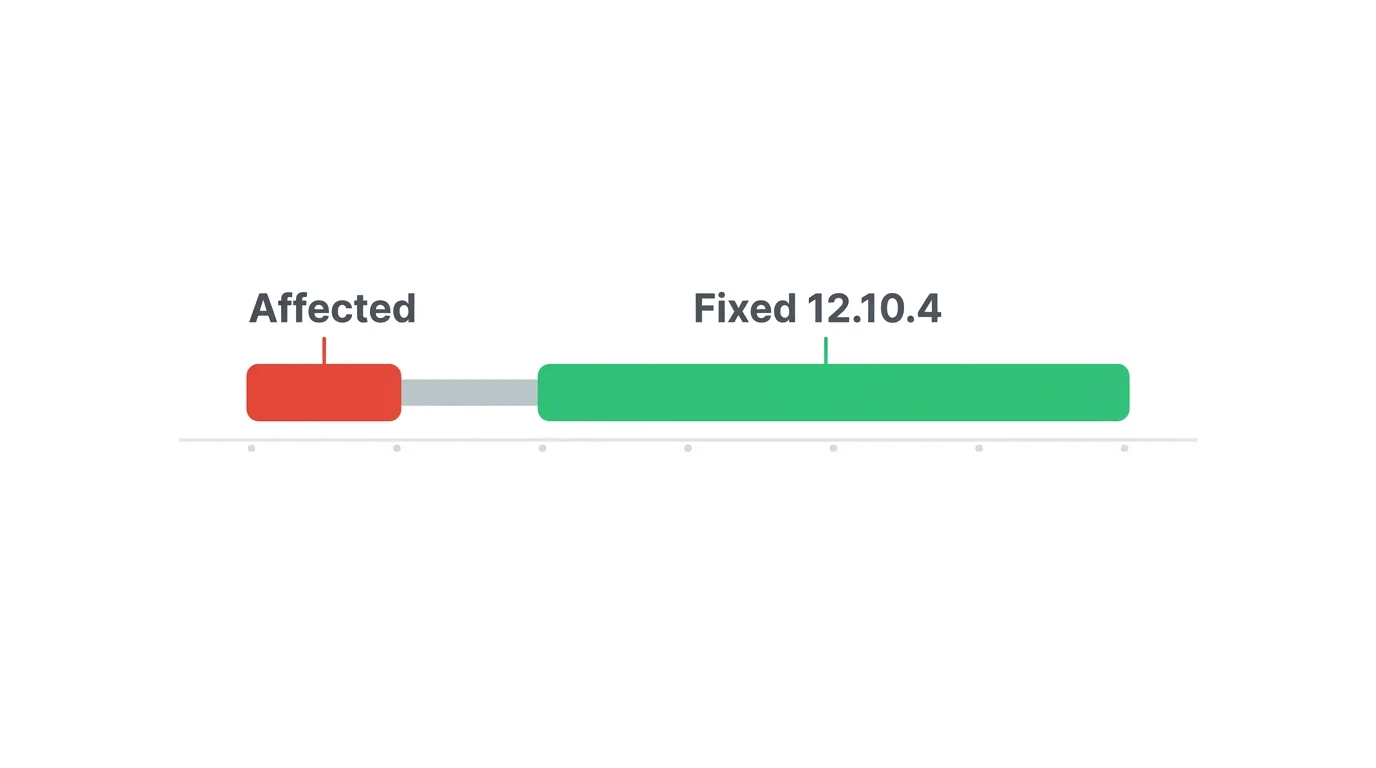
According to the researchers, the affected versions run from Telegram for Android 8.6.2 up to 12.10.3.
Those versions were released between March 2022 and September 2026.
Telegram fixed the issue in version 12.10.4.
Reports date that update to late September 2026.
If your Telegram for Android is on version 12.10.4 or newer, you already have the fix.
Who Is Not Affected?
NebuSec says it confirmed the problem only in private one-to-one voice calls on Android phones with ARM64 processors.
The company says it has no evidence so far that the flaw directly affects the iPhone app, the desktop apps, or group calls.
Other reports repeat that there is no sign of impact on iOS or the web.
That said, the researchers note that Telegram uses a shared calling library across Android, iPhone, and desktop, so it is wise to keep every version updated.
What Does Telegram Say?
Telegram has a different view of the risk.
The company says it received a report about the flaw in August and had already patched it before NebuSec contacted it.
Telegram also says that neither report showed a working remote code execution chain.
In other words, Telegram does not agree that the problem could be used to take over a phone in practice.
NebuSec says Telegram acknowledged its report but did not believe the issue could be turned into code execution, so no vulnerability number was assigned and no bounty was paid.
Has Anyone Been Attacked?
There is no public sign of real-world attacks.
NebuSec says it has not seen the flaw used in the wild, and it believes nobody else had realized it could be turned into code execution.
No official CVE number had been assigned as of October 29.
The technical details of how the full chain works have not been fully published.
So this should be treated as a patched issue with a disputed severity, not as an active outbreak.
How Was the Flaw Found?
NebuSec says its AI-powered code security product found the issue.
The company says the tool is powered by OpenAI’s GPT-5.4.
That detail has drawn attention because it shows how AI tools are increasingly used to hunt for software bugs.
It also raises a wider question about how quickly such tools will find new flaws in popular apps.
How to Protect Yourself
The most important step is the simplest.
Update Telegram.
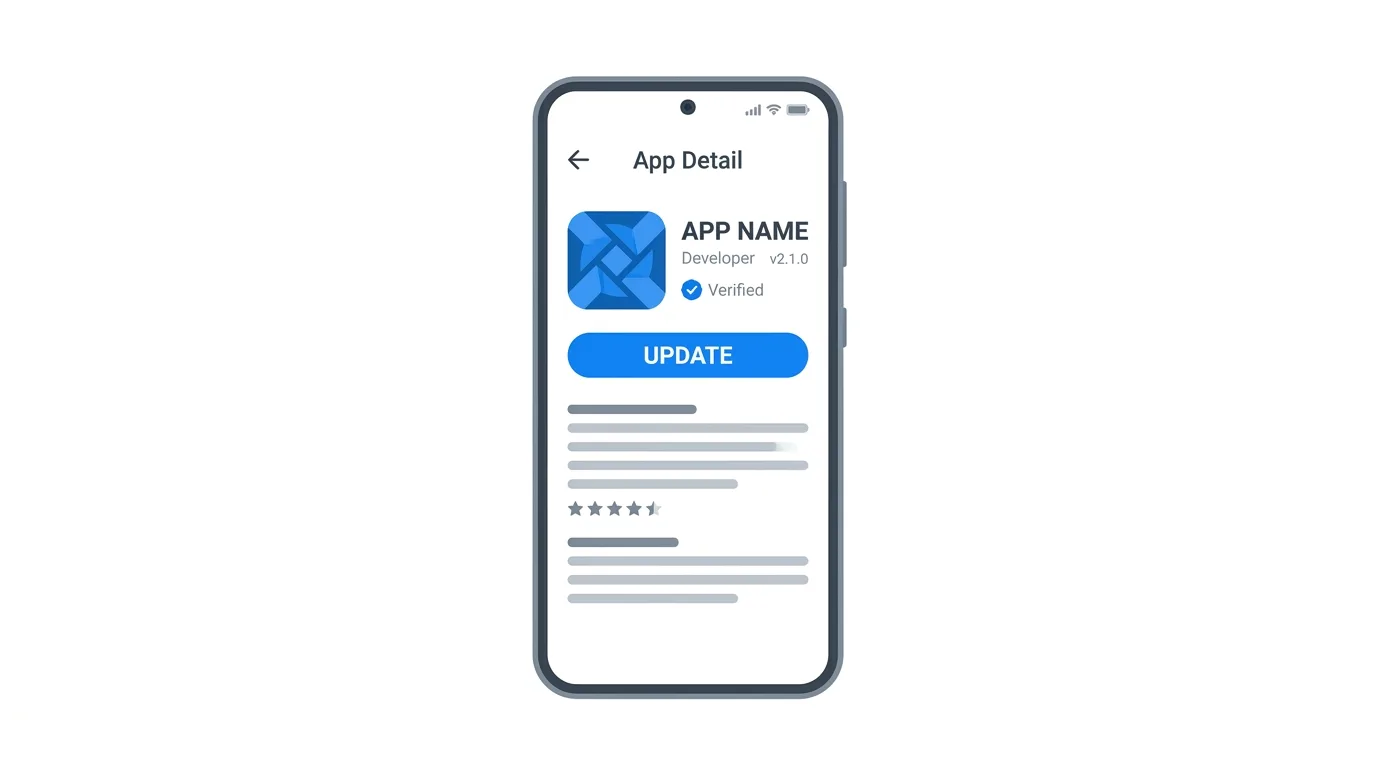
Open the Google Play Store, search for Telegram, and tap Update if the button appears.
You can check your version at the bottom of Telegram’s Settings page.
If it shows 12.10.4 or higher, you are protected against this specific flaw.
Turn on automatic updates for apps so you do not miss future security fixes.
Limit Who Can Call You
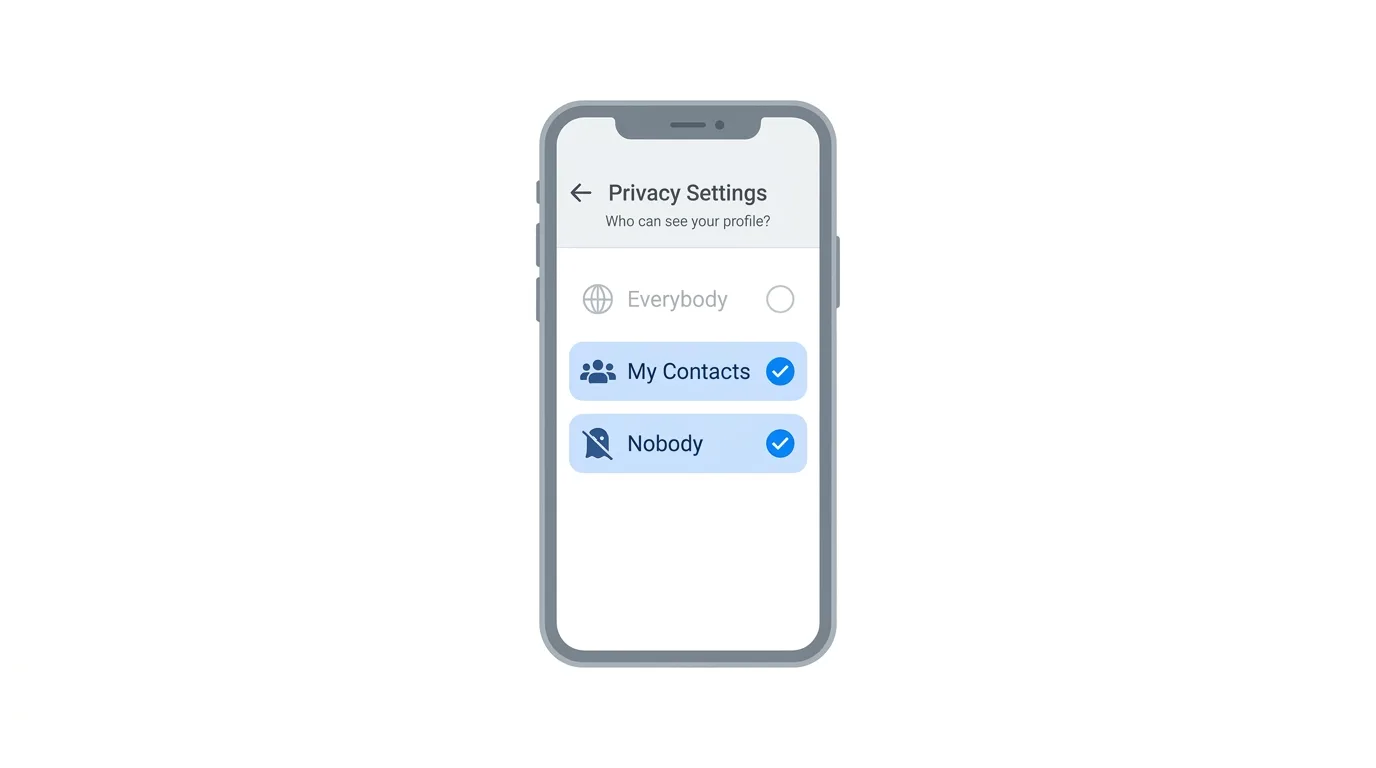
You can also reduce risk by controlling who may call you on Telegram.
Go to Settings, then Privacy and Security, then Calls.
Under Who can call me, choose My Contacts or Nobody.
Reports note that people who set calls to Nobody and decline unknown calls would not be affected by this particular issue.
Not everyone needs to be this strict, but limiting calls to your contacts is a sensible default.
Be Careful With Unknown Callers
Treat unexpected calls with caution on any app.
Do not answer calls from numbers or accounts you do not recognize.
If someone claims to be from a bank, delivery service, or support team, hang up and contact the company through its official website.
Scammers often use calls and messages to rush you into mistakes.
Why Do Calls Matter for Security?
Many people think of security risks as bad links or suspicious files.
This report shows that other features can also be attack paths.
Voice calls handle complex data in real time, and bugs in that code can be serious.
Messaging apps have grown into huge platforms with many features, which gives researchers and attackers more to examine.
Regular updates are the best defense.
What Does This Mean for Telegram Users in Different Regions?
Telegram is widely used in many countries, including Pakistan, Russia, and across Asia and Europe.
Android phones are especially popular in these regions.
Because Android users often go many months without updating apps, the risk of staying on an older version is real.
If you share an older phone with family members, check that every account is on a current version.
Frequently Asked Questions
Is Telegram safe to use?
Telegram says the flaw was patched, and there is no public evidence of attacks. Keeping the app updated is the best way to stay safe.
Which version fixes the flaw?
Telegram for Android 12.10.4 and later.
Does this affect iPhone or desktop?
NebuSec says it has no evidence of a direct effect on iPhone, desktop, or group calls.
Do I need to uninstall Telegram?
No. Updating the app is enough.
Can someone hack my phone just by calling me?
According to the researchers, the attack needed the victim to answer the call and a chain of other bugs. Telegram disputes that a working chain was shown.
How do I stop strangers from calling me on Telegram?
Go to Settings, then Privacy and Security, then Calls, and choose My Contacts or Nobody.
Has this been used in real attacks?
NebuSec says it has seen no evidence of that so far.
How To Leave a WhatsApp Group (2026 Guide)
Final Thoughts
The Telegram Android voice call flaw is a good reminder that updating your apps matters. Telegram says it fixed the issue and disputes how serious it was, while researchers say it could be part of a dangerous chain. Either way, the advice is the same: update to version 12.10.4 or newer, limit who can call you, and avoid answering unknown callers.
