AI companion and character chat apps grew rapidly with relatively little regulatory attention for their first few years.
That changed substantially throughout 2026, with Character.AI specifically facing new age restrictions and safety requirements following mounting pressure from regulators, parents, and child safety advocates. Here’s what’s changed and why it matters.
What New Restrictions Have Been Implemented

Character.AI has introduced a range of new safety measures throughout 2026, responding to sustained scrutiny over how the platform serves younger users.
Changes reportedly implemented include:
- Stricter age verification processes beyond simple self-reported birthdates
- Enhanced content moderation specifically around conversations with accounts identified or suspected to be minors
- Additional parental controls and oversight features for accounts belonging to younger users
- Clearer labeling distinguishing AI characters from real human interaction
Action step: If you or someone in your household uses Character.AI or similar platforms, review the current safety settings and age verification status directly within the app, since these features have continued evolving throughout the year.
Why This Scrutiny Has Intensified
Several factors have converged to drive increased regulatory and public attention toward AI companion apps specifically.
Contributing factors include:
- High-profile concerns raised by parents, researchers, and child safety organizations about emotional dependency risks for younger users
- Growing legislative interest in regulating AI products specifically marketed toward or accessible by minors
- Broader industry-wide scrutiny of AI companion apps following the category’s rapid growth throughout 2026
Action step: Expect continued regulatory attention across the broader AI companion app category, not just Character.AI specifically, since this scrutiny reflects industry-wide concerns rather than issues isolated to a single platform.
How This Compares to Earlier Social Media Regulation Patterns
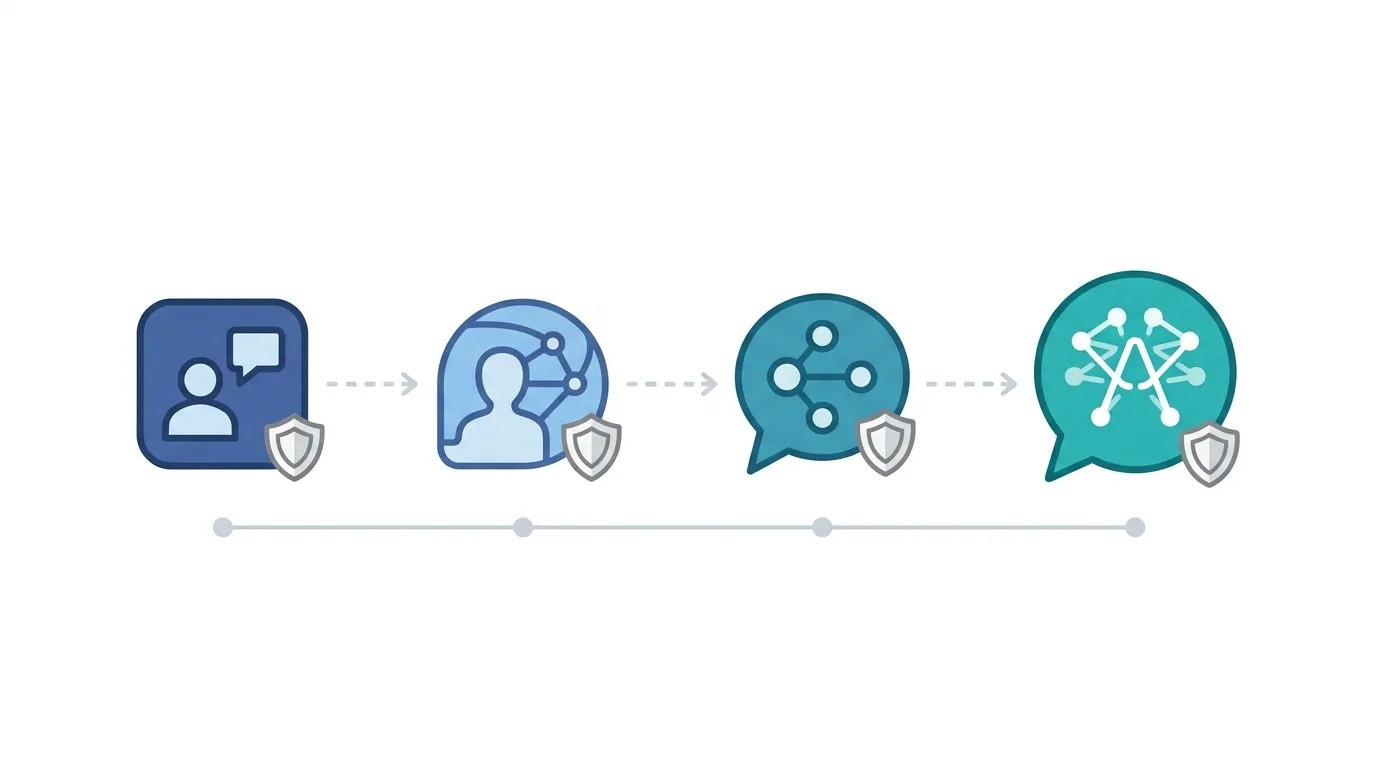
The trajectory unfolding around AI companion apps mirrors patterns seen previously with social media platforms facing increased child safety scrutiny.
Platforms like Instagram and TikTok faced similar waves of regulatory and public pressure regarding minor safety in previous years, eventually leading to age verification improvements, parental control features, and content restrictions specifically designed to address these concerns. Character.AI’s current situation suggests AI companion apps are now moving through a comparable maturation cycle, likely at an accelerated pace given the lessons already learned from social media’s regulatory experience.
Action step: Expect the AI companion app category to potentially move through this safety maturation process faster than social media did, given that regulators, companies, and child safety advocates now have established playbooks and precedents from earlier social media regulation to draw from.
Industry-Wide Implications Beyond Character.AI Specifically
This situation extends beyond any single company’s specific policy choices.
Action step: Investors, developers, and businesses building products in the AI companion space should treat robust safety infrastructure as a foundational requirement from product inception, rather than a reactive addition following public pressure, given how clearly this pattern has played out across Character.AI and the broader category throughout 2026.
How Character.AI Has Responded
The company has publicly committed to expanding safety measures throughout the year in response to this pressure.
Action step: Monitor Character.AI’s official safety and policy updates directly, since the company has continued adjusting its approach in response to ongoing regulatory and public feedback throughout 2026.
What This Means for Other Companion App Platforms
Character.AI’s experience likely signals what other companion app platforms should expect going forward.
Action step: If you’re evaluating or using other AI companion or character chat platforms, expect similar safety and age verification changes to roll out industry-wide, since regulatory pressure in this category has generally applied broadly rather than targeting a single company exclusively.
The Regulatory Landscape Specifically Targeting AI Companion Apps
Several jurisdictions have introduced or proposed legislation specifically addressing AI companion products and their potential impact on minors.
Action step: Stay informed about relevant legislation in your specific region if you have concerns about AI companion app regulation, since legal requirements and enforcement approaches have varied considerably between different jurisdictions throughout this developing regulatory landscape.
What Parents Should Know

For parents concerned about children’s use of AI companion apps, understanding current safeguards and their limitations matters.
Action step: Don’t rely solely on platform-provided age verification and safety features — have direct conversations with children about AI companion apps and consider using device-level parental controls as an additional layer of oversight beyond what any single app provides.
Balancing Safety Concerns With Legitimate Use Cases
It’s worth noting that AI companion and character apps serve genuine, legitimate purposes for many adult users, including creative writing, language practice, and general entertainment.
Action step: Recognize that increased safety regulation specifically targets protecting minors and vulnerable users, not necessarily restricting legitimate adult use of these platforms, though implementation details continue evolving as companies balance these different considerations.
How This Fits Into the Broader AI Regulation Conversation
Character.AI’s situation represents one specific example within a much broader ongoing conversation about AI regulation generally.
Action step: Watch for continued regulatory developments across the broader AI industry throughout the rest of 2026, since companion apps represent just one category among several facing increased scrutiny as AI products become more deeply integrated into daily life.
What to Watch For Going Forward
Given the pace of both regulatory pressure and company responses throughout 2026, continued changes to age verification, content moderation, and platform policies seem likely.
Action step: If you follow this space professionally or personally, monitor both regulatory developments and platform policy announcements together, since these two forces have been driving rapid, interconnected change throughout the AI companion app category this year.
How To Block Someone on X (2026 Guide)
Final Thoughts
Character.AI’s new age restrictions throughout 2026 reflect broader regulatory and public pressure specifically targeting AI companion apps’ safety practices for younger users. Whether you’re a user, parent, or simply following AI industry developments, this situation offers a clear example of how quickly regulatory scrutiny can reshape a rapidly growing AI product category.
