Livestreaming platforms update their features constantly, often with little fanfare.
Missing a relevant change can mean missing new monetization tools, discovery features, or moderation options. Here’s how to stay updated on YouTube and Twitch livestreaming changes in 2026, and what’s already shifted this year.
Why Staying Current on Platform Changes Matters
Streaming platforms compete heavily for creator attention, which means features roll out quickly, sometimes region by region.
Action step: Set a recurring monthly habit of checking official creator blogs directly, rather than relying solely on secondhand summaries that may lag behind actual feature rollouts.
YouTube Live: Continued AI Integration
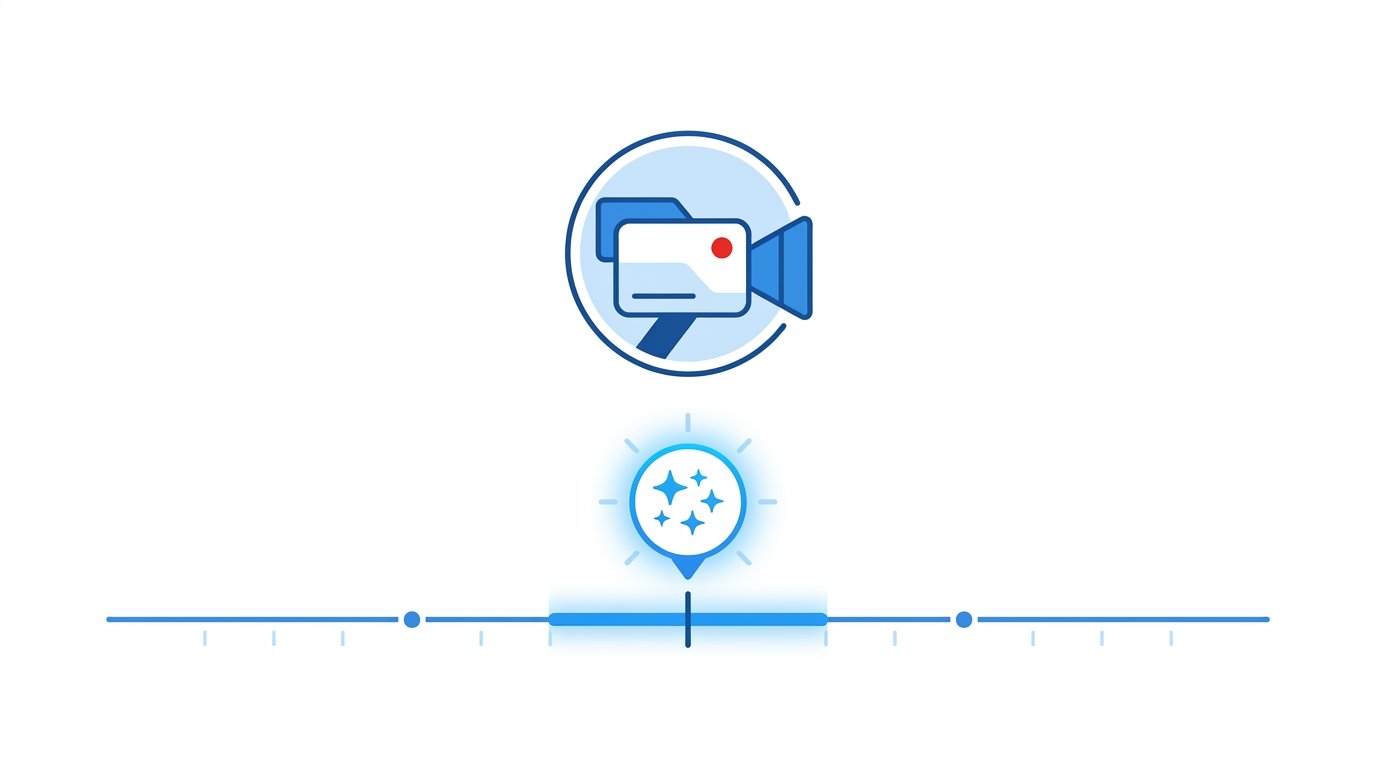
YouTube has continued embedding AI-powered tools directly into its live streaming dashboard throughout 2026.
What’s changed specifically:
- AI-assisted highlight detection, automatically flagging exciting moments during a stream for later clipping
- Improved real-time captioning accuracy powered by more advanced speech recognition
- Expanded Super Chat and membership analytics, giving creators clearer insight into which moments drive the most viewer support
Action step: Creators regularly going live on YouTube should check their Studio dashboard for newly available AI highlight tools, since manually reviewing hours of footage for clip-worthy moments is increasingly unnecessary.
YouTube: Shorts and Live Content Integration
YouTube has continued blurring the line between long-form live content and Shorts.
Clips generated from live streams can now be more easily repurposed directly into Shorts format, streamlining what used to require separate editing software.
Action step: After finishing a livestream, check for any auto-generated Shorts suggestions within YouTube Studio before manually creating clips elsewhere, since this workflow has become significantly faster.
Twitch: Expanded Discovery and Category Tools
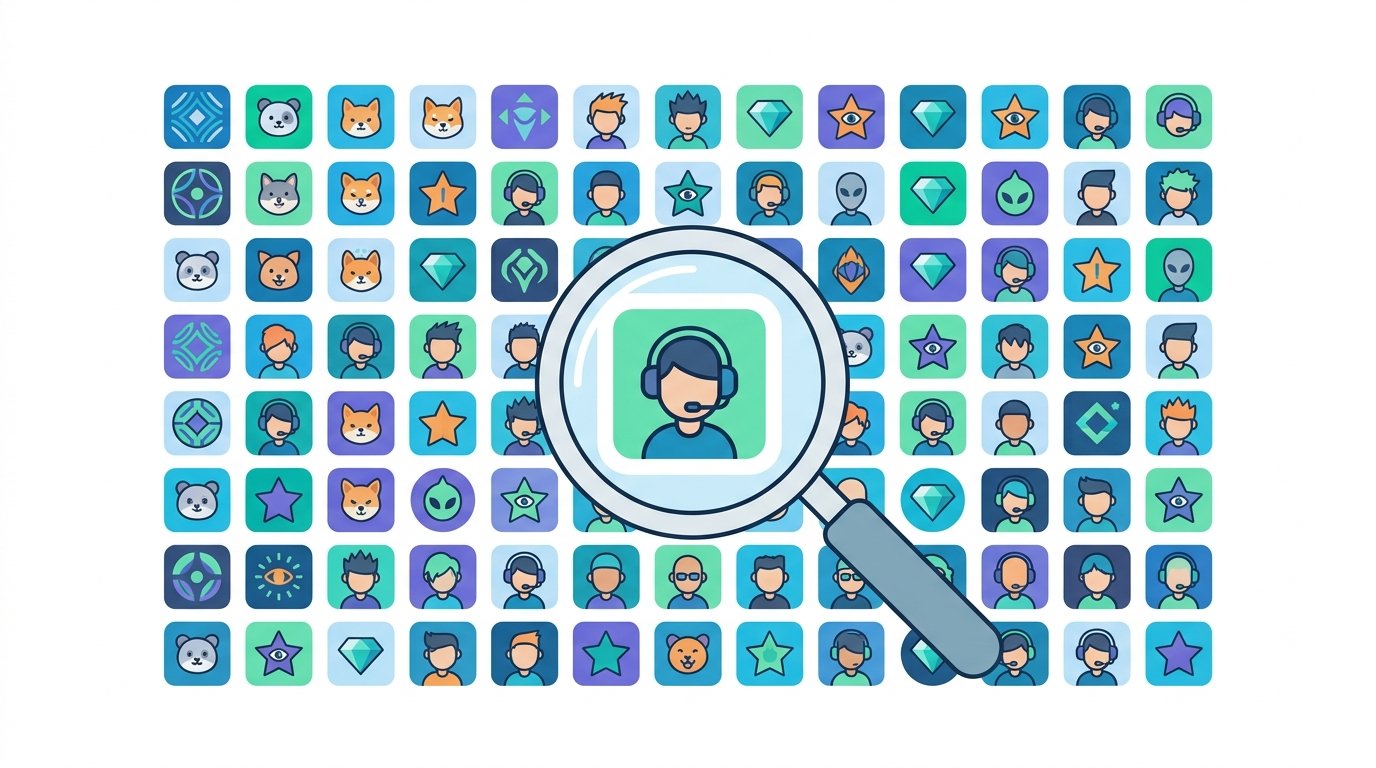
Twitch has continued refining how viewers discover new streamers, moving beyond simple category browsing.
What’s changed specifically:
- Improved AI-driven recommendations surfacing smaller streamers based on viewing habits, not just current popularity
- Expanded tagging systems allowing more precise content categorization
- Continued development of interactive viewer features, including enhanced polls and prediction tools during live streams
Action step: Smaller streamers should review Twitch’s updated tagging options specifically, since more precise tags can improve algorithmic discovery even without a large existing following.
Twitch: Moderation and Safety Tool Updates
Twitch has continued investing in AI-powered moderation tools, helping streamers manage chat without needing a large dedicated moderation team.
What’s changed specifically:
- Smarter automated chat filtering, better distinguishing genuine harassment from casual banter
- Expanded tools for streamers to customize moderation sensitivity per channel
- Improved reporting and appeals processes for both streamers and viewers
Action step: Streamers who’ve previously found automated moderation either too strict or too lax should revisit their settings, since the underlying filtering technology has continued improving throughout 2026.
Cross-Platform Trend: Monetization Diversification
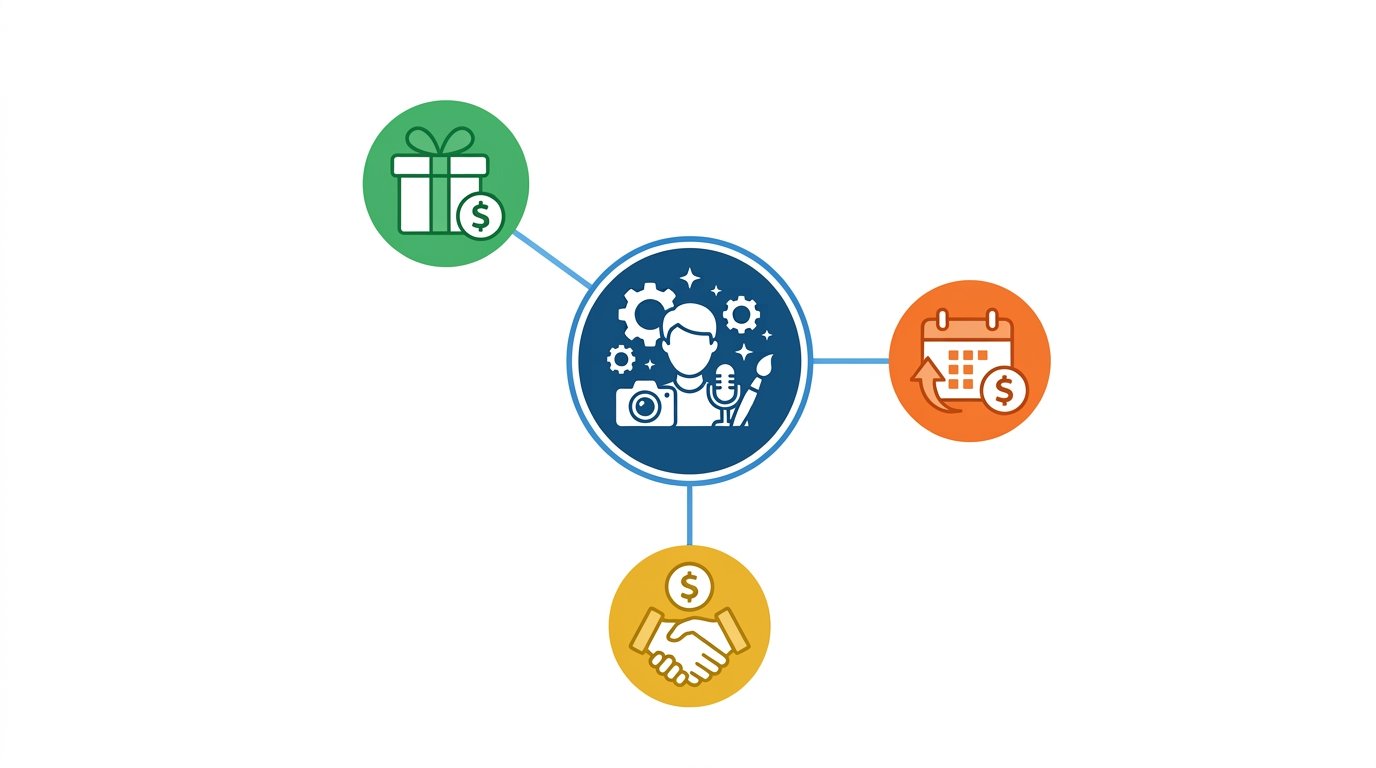
Both platforms have continued expanding monetization options beyond traditional ads and subscriptions.
Common new revenue tools include:
- Enhanced virtual gifting and tipping features
- Expanded brand partnership marketplaces connecting creators directly with sponsors
- Improved analytics helping creators understand which monetization method performs best for their specific audience
Action step: Review your current monetization mix against what’s newly available on your primary platform, since relying solely on one revenue stream has become increasingly unnecessary given the expanded options.
Regional Rollout Differences Worth Knowing
Not every feature launches simultaneously across all regions on either platform.
Action step: If a feature mentioned in creator news doesn’t appear in your dashboard yet, check whether it’s still in regional or gradual rollout before assuming it’s unavailable to your account entirely — both platforms typically expand new tools progressively rather than launching everywhere at once.
Comparing YouTube Live and Twitch for Different Content Types
While both platforms support livestreaming, they’ve continued differentiating in where they excel.
YouTube Live tends to work better for: Creators wanting livestream content to integrate smoothly with a broader long-form video library and search-based discovery.
Twitch tends to work better for: Creators focused primarily on real-time community interaction, gaming content, and building a dedicated live-viewing audience.
Action step: Many creators in 2026 are streaming to both platforms simultaneously using multi-streaming tools, capturing YouTube’s search advantages alongside Twitch’s stronger live community culture, rather than choosing exclusively between the two.
How These Changes Affect New Versus Established Streamers
Established streamers with large followings have generally benefited from improved analytics and monetization tools.
Newer, smaller streamers have arguably benefited more from improved discovery algorithms specifically designed to surface content beyond just current popularity metrics.
Action step: If you’re a smaller streamer feeling stuck with limited visibility, revisit platform discovery settings and tagging specifically, since these tools have been meaningfully upgraded compared to previous years.
Staying Ahead of Future Platform Updates
Livestreaming platforms rarely announce every change with major fanfare — many updates roll out quietly through dashboard notifications or creator newsletters.
Action step: Subscribe directly to YouTube Creator Insider and Twitch’s official creator communications, since these channels typically cover feature updates more thoroughly and promptly than general tech news coverage.
What This Means for Your Streaming Strategy
Rather than reacting to every individual update, focus on the broader pattern.
Consistent trends worth watching for:
- Continued AI integration reducing manual editing and moderation work
- Growing emphasis on discoverability tools that don’t solely favor already-popular creators
- Expanding monetization options reducing dependency on any single revenue source
Action step: Build your streaming strategy around these underlying trends rather than chasing every individual feature announcement, since the broader direction has remained consistent even as specific tools continue evolving.
How To Use Reddit for Business Promotion in 2026
Final Thoughts
YouTube and Twitch have both continued meaningful platform development throughout 2026, particularly around AI-assisted tools, improved discovery, and monetization diversification. Staying current, even through a simple monthly check-in with official creator channels, helps ensure your streaming strategy takes advantage of tools that are already available rather than working around limitations that no longer exist.
