LinkedIn Newsletters quietly offer one of the strongest audience-building tools on the platform, yet most professionals never start one.
Unlike regular posts competing in a crowded feed, newsletters get delivered directly to subscribers. Here’s how to use LinkedIn Newsletters to grow your audience in 2026.
Why LinkedIn Newsletters Work Differently Than Regular Posts
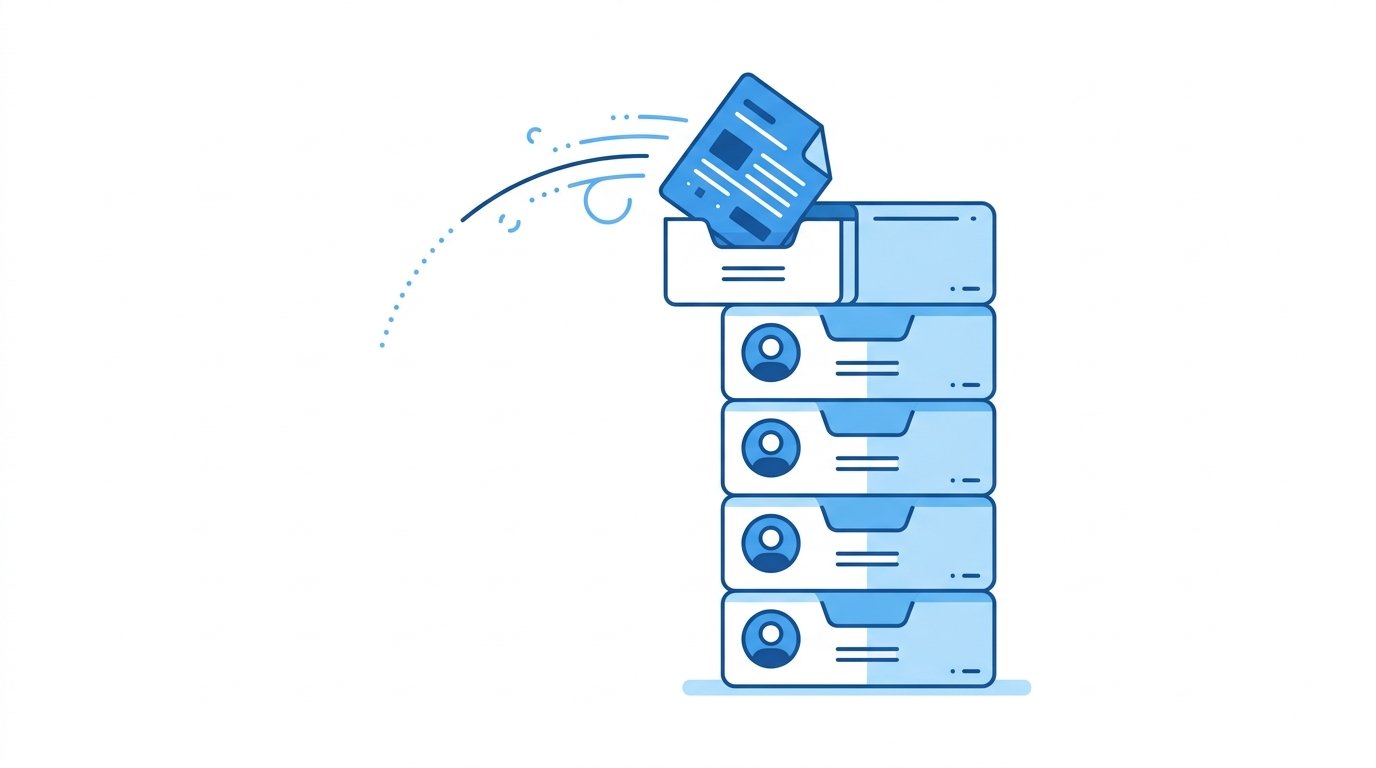
Regular LinkedIn posts compete for attention within an algorithm-driven feed, with reach fluctuating unpredictably.
Newsletter articles, once published, notify every subscriber directly, and new subscribers automatically get notified of future editions. This creates a more reliable, direct connection than standard feed posts.
Action step: Treat your newsletter as a direct-access channel to your most engaged audience, distinct from the broader, more unpredictable reach of standard posts.
Step 1: Set Up Your LinkedIn Newsletter
- Go to your LinkedIn profile and select Write article.
- Look for the option to Create a newsletter rather than a standalone article.
- Set a title, description, logo, and publishing frequency.
Action step: Choose a specific, clear niche for your newsletter title rather than something generic, since this affects both discoverability and subscriber expectations.
Step 2: Choose a Realistic Publishing Cadence
LinkedIn requires you to commit to a publishing frequency when setting up a newsletter.
Common cadence options:
- Weekly
- Biweekly
- Monthly
Action step: Choose a frequency you can realistically sustain long-term, since consistency matters more for building trust than an ambitious schedule you’ll eventually abandon.
Step 3: Write for Your Specific Professional Audience
LinkedIn newsletters perform best when they deliver clear, specific value to a defined professional audience, not generic content.
Action step: Identify the specific problem or interest your newsletter addresses for readers, and stay disciplined about that focus rather than drifting into unrelated topics.
Step 4: Structure Content for Scannable Reading
Professional readers often skim before committing to a full read.
Action step: Use clear subheadings, short paragraphs, and a strong opening that states the newsletter’s value immediately, rather than a slow build-up before getting to the point.
Step 5: Promote Your Newsletter Through Regular Posts
Newsletter subscribers don’t appear automatically — you need to actively drive sign-ups.
Action step: Regularly reference your newsletter within standard LinkedIn posts, highlighting specific value from recent editions to encourage non-subscribers to sign up.
Step 6: Leverage LinkedIn’s Automatic Notification System
When you publish a new edition, LinkedIn automatically notifies all subscribers, a distribution advantage most other content formats don’t offer.
Action step: Time your publishing for when your specific audience is most likely to be active on LinkedIn, since notification timing can meaningfully affect open rates.
Step 7: Encourage Engagement Within Newsletter Content
Comments and engagement on newsletter editions still contribute to your broader LinkedIn visibility.
Action step: End each edition with a genuine question or discussion prompt, encouraging readers to comment rather than just passively read and move on.
Step 8: Repurpose Newsletter Content Strategically
A well-researched newsletter edition often contains enough material for additional standalone posts.
Action step: Break out key points from longer newsletter editions into standalone posts in the following days, extending the content’s reach beyond just your subscriber base.
Step 9: Track Newsletter-Specific Analytics
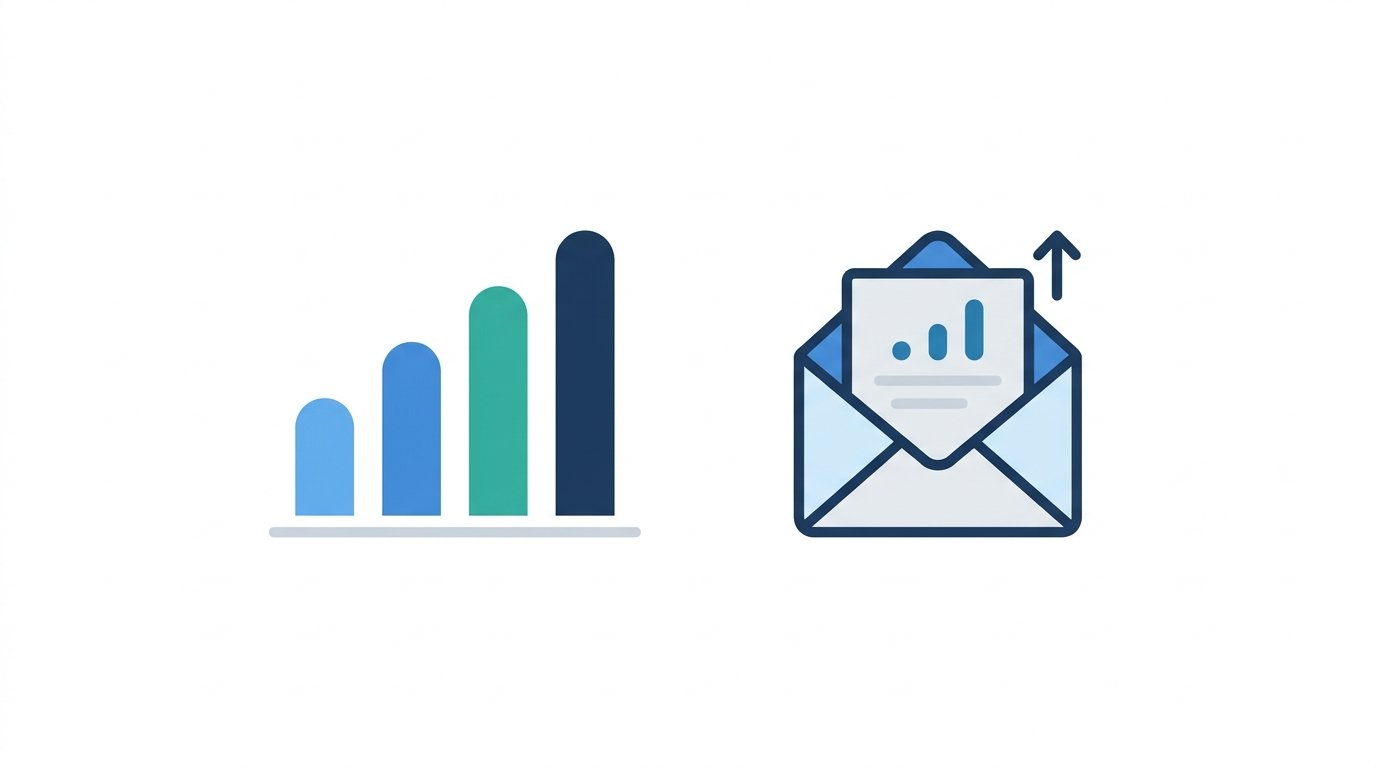
LinkedIn provides analytics specifically for newsletter performance, separate from standard post metrics.
Action step: Review subscriber growth and individual edition performance regularly, identifying which topics and formats resonate most with your specific audience.
Step 10: Build Relationships With Engaged Subscribers
Newsletter subscribers who consistently engage represent some of your most valuable professional connections.
Action step: Pay attention to who regularly comments or engages with your newsletter, and consider direct outreach or connection requests to build deeper relationships with your most engaged readers.
Step 11: Feature Guest Contributors Occasionally
Inviting relevant guest voices into your newsletter can introduce your content to their audience as well.
Action step: Occasionally feature a brief guest insight or interview snippet from a relevant industry contact, since this can cross-promote your newsletter to their existing network when they share the edition themselves.
Step 12: Build an Archive That Works as a Standalone Resource
Over time, your collection of newsletter editions becomes a searchable body of work new visitors can browse.
Action step: Write with some evergreen value in mind, not just timely commentary, since past editions remain visible on your profile and can continue attracting new subscribers long after original publication.
How Newsletter Growth Compares to Other LinkedIn Content Formats
Newsletters generally build a smaller but more dedicated audience compared to viral individual posts.
Action step: Set realistic expectations for newsletter growth specifically — steady, incremental subscriber growth over time typically outperforms expecting rapid viral-style growth, since the value of a newsletter lies in depth of engagement rather than sheer reach.
How Newsletters Fit Into a Broader LinkedIn Strategy
Newsletters work best as part of a combined approach, not a replacement for regular posting.
A practical combination:
- Regular posts for daily visibility and algorithm-driven reach
- Newsletter editions for deeper, more substantial content delivered directly to engaged subscribers
- Comments and engagement on others’ content for broader network visibility
Action step: Use newsletters specifically for your most valuable, in-depth content, reserving quicker takes and updates for standard posts.
Common Mistakes When Building a LinkedIn Newsletter
Choosing an unsustainable publishing frequency. Missed or delayed editions undermine the trust and consistency that make newsletters valuable.
Writing generic content without a clear niche focus. Newsletters perform best with a specific, consistent value proposition for a defined audience.
Never promoting the newsletter through regular posts. Subscriber growth requires active promotion, not just passive discovery.
How To Use ElevenLabs for AI Voice Generation in 2026
Final Thoughts
LinkedIn Newsletters offer a direct, reliable way to build a professional audience beyond the unpredictability of standard feed posts. Choose a sustainable publishing cadence, stay focused on a specific niche, and actively promote your newsletter through regular posts to build meaningful subscriber growth over time.
