Reaching an international audience with video content used to mean either subtitling in multiple languages or accepting that most non-native speakers would watch muted.
Throughout 2026, Instagram has rolled out AI-powered auto-dubbing for Reels, automatically translating and voicing a creator’s speech into multiple languages while attempting to preserve the original voice characteristics. Here’s what’s changed and why it matters.
What Auto-Dubbing Actually Does
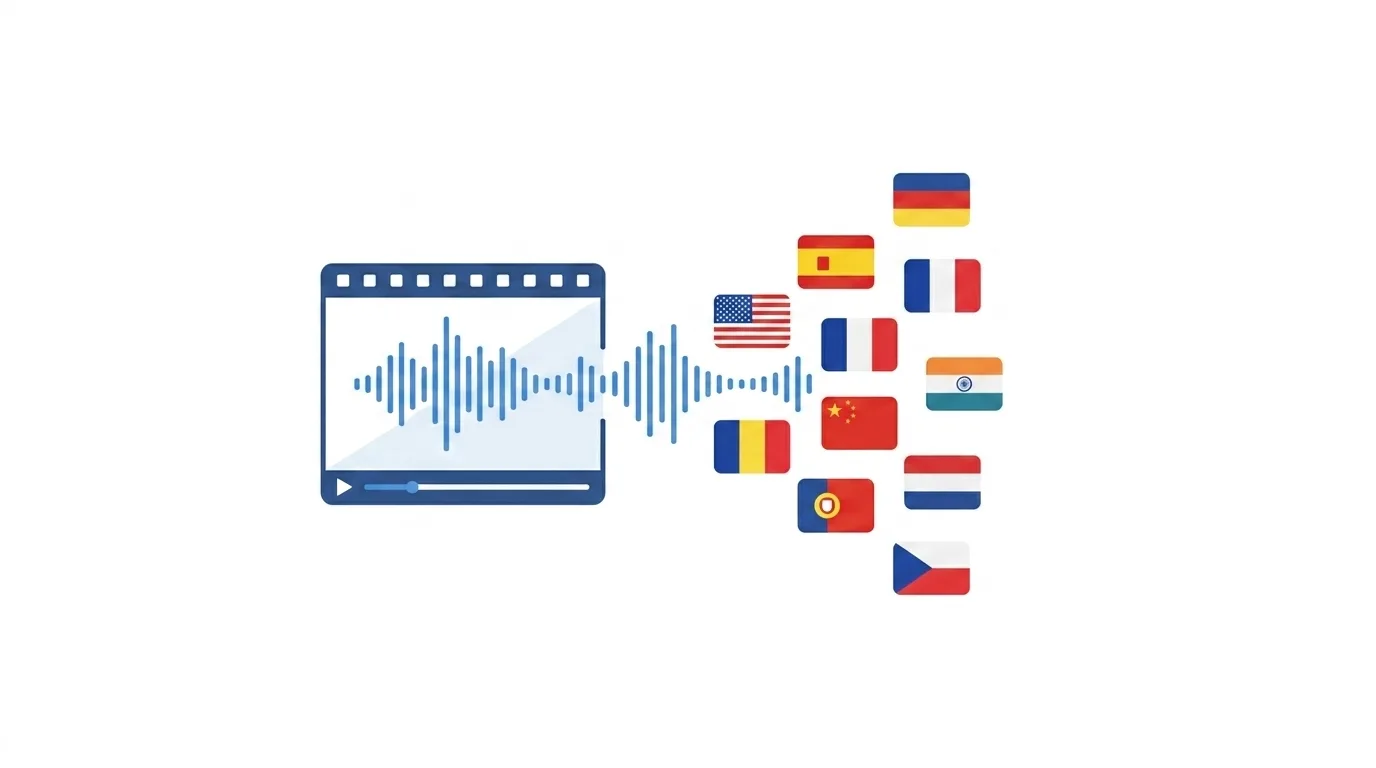
Instagram’s new feature analyzes the spoken audio in a Reel, translates it into selected target languages, and generates a dubbed audio track using AI voice synthesis designed to soun
d reasonably similar to the original creator’s voice.
Viewers can then choose to watch the Reel in their preferred language, with the dubbed audio playing automatically or as a selectable option, depending on how the feature has been implemented.
Action step: If you create video content and haven’t previously invested in multilingual versions due to cost or time constraints, test Instagram’s auto-dubbing feature directly on a recent Reel to evaluate whether the current quality meets your standards for international audience engagement.
Why Instagram Is Investing in This Now
Several factors likely explain this feature’s timing.
Contributing factors include:
- Continued global growth of Instagram’s user base, particularly in non-English-speaking markets
- Significant improvements in AI voice synthesis and translation quality making auto-dubbing genuinely viable rather than obviously robotic
- Competitive pressure from platforms like YouTube, which has also invested in similar multilingual dubbing capabilities
Action step: Recognize this as part of a broader industry trend toward AI-assisted content localization, not an isolated Instagram-specific feature, since competing platforms have made similar investments around the same general timeframe.
The Business Case for Auto-Dubbing Adoption

Beyond individual creators, businesses using Instagram for marketing have particular reason to evaluate this feature closely.
Action step: Businesses running video marketing campaigns should test auto-dubbing specifically for ads or promotional Reels targeting international markets, since the cost savings compared to traditional professional dubbing or subtitling services could be substantial, provided the quality meets brand standards for the specific markets being targeted.
How This Fits Into Meta’s Broader AI Investment Pattern
This feature connects to Meta’s continued pattern of embedding AI capabilities throughout Instagram, Facebook, and WhatsApp, rather than treating AI as a separate, standalone product.
Action step: Expect auto-dubbing to be just one part of a continued expansion of AI-assisted content creation and localization tools across Meta’s platforms, consistent with the broader ambient AI integration strategy the company has pursued throughout 2026.
How Creators Can Access This Feature
For creators interested in reaching international audiences, understanding how to enable and use auto-dubbing matters practically.
Action step: Check your Reels creation or editing settings for a dubbing or translation option, since availability and specific interface placement have continued evolving as Instagram refines the rollout across different account types and regions.
Quality Considerations and Current Limitations
Despite genuine improvement in AI voice synthesis generally, auto-dubbing still shows recognizable limitations worth understanding before relying on it heavily.
Action step: Review auto-dubbed versions of your own content carefully before assuming quality meets your standards, since AI translation and voice synthesis can still struggle with idioms, technical terminology, humor, and precise emotional tone in ways that matter depending on your specific content style.
What This Means for Content Reach and Discovery
Beyond just accessibility, auto-dubbing likely affects how content gets distributed to international audiences through Instagram’s discovery algorithms.
Action step: Monitor your Reels analytics for any changes in international viewership or engagement following auto-dubbing adoption, since expanded language accessibility could meaningfully affect how your content performs with audiences who previously couldn’t fully understand your spoken content.
Voice Cloning and Consent Considerations
Since auto-dubbing attempts to preserve something resembling the creator’s original voice characteristics, this raises some of the same consent and ethical considerations relevant to broader AI voice cloning technology.
Action step: Review Instagram’s specific terms regarding how your voice is processed and used for auto-dubbing purposes, since understanding the underlying data handling matters for creators who prioritize maintaining tight control over their voice and likeness.
How This Compares to YouTube’s Similar Dubbing Feature
YouTube has offered comparable AI-powered dubbing capabilities, providing a useful point of comparison for creators deciding where to prioritize multilingual content investment.
Action step: If you post similar content to both platforms, compare the dubbing quality and available language options directly between Instagram and YouTube, since implementation quality and language coverage may differ meaningfully even for functionally similar features.
What This Means for Viewers
Beyond the creator perspective, everyday users benefit from being able to understand a wider range of content without needing to rely on captions or their own language skills.
Action step: Check your language preference settings within Instagram if you want to take advantage of auto-dubbed content specifically, since this feature likely requires your preferred viewing language to be properly configured within your account settings.
What to Watch For Going Forward
Given the pace of AI translation and voice synthesis improvement generally, continued quality refinement seems likely.
Action step: Revisit this feature periodically even if your first impression was lukewarm, since AI dubbing quality across the industry has continued improving substantially, and a feature that felt rough at initial launch may have improved considerably within just a few months.
How To Turn Off the Typing Indicator on WhatsApp (2026 Guide)
Final Thoughts
Instagram’s AI-powered auto-dubbing for Reels throughout 2026 represents a genuine step toward breaking down language barriers in video content, though current quality limitations mean it works better as a complement to, rather than full replacement for, thoughtful multilingual content strategy. Creators reaching diverse global audiences should test this feature directly and monitor how it affects international engagement over time.
