Livestreaming has always had a built-in language barrier — unlike pre-recorded video, there’s no time to add subtitles before the audience is already watching.
Throughout 2026, TikTok has rolled out AI-powered live translation for livestreams, generating real-time captions and, in some implementations, translated audio as a creator speaks. Here’s what’s changed and why it matters.
What Live Translation Actually Does
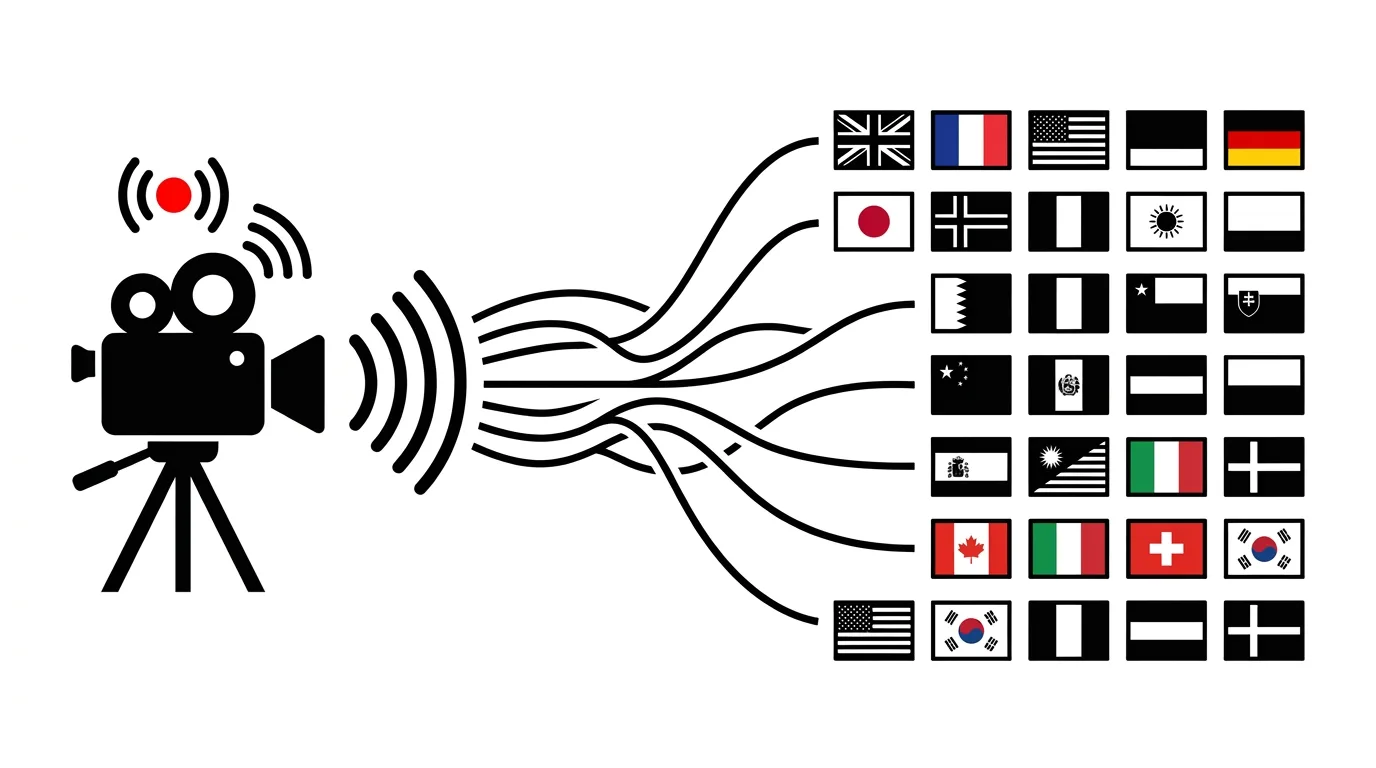
TikTok’s new feature analyzes a creator’s spoken audio during a livestream in real time, generating captions in the viewer’s preferred language almost instantly, with some rollout phases reportedly including translated audio dubbing as well.
This addresses a specific limitation that pre-recorded content doesn’t face — livestreams are inherently unplanned and immediate, making traditional subtitling or dubbing approaches impossible to apply beforehand.
Action step: If you livestream on TikTok and have avoided it due to language barrier concerns with international audiences, test this feature directly during your next stream to evaluate whether current translation quality meets your needs.
Why TikTok Is Investing in This Now
Several factors likely explain this development.
Contributing factors include:
- TikTok’s inherently global user base, spanning many languages and regions simultaneously
- Continued growth in live shopping and livestream engagement specifically, where real-time communication with international viewers carries direct commercial value
- Broader industry advances in real-time AI translation and speech processing making this technically viable at the speed livestreaming requires
Action step: Recognize this feature as particularly relevant if you’re involved in TikTok Shop livestream selling, since real-time translation could meaningfully expand your potential audience during live shopping events specifically.
How This Connects to TikTok’s Broader AI Investment Pattern
This feature fits within TikTok’s continued pattern of AI investment across content recommendation, moderation, and now real-time communication capabilities throughout 2026.
Action step: Recognize live translation as one part of a broader AI strategy at TikTok rather than an isolated feature, since the underlying technology and infrastructure investments likely support multiple AI-powered capabilities across the platform simultaneously, from content discovery to this new translation functionality.
Comparing This to Douyin’s Earlier Similar Features
TikTok’s counterpart in China, Douyin, has often previewed AI and livestreaming features that later appear on TikTok globally, and translation capabilities may follow a similar pattern.
Action step: Creators interested in anticipating TikTok’s future feature direction might find it useful to monitor Douyin’s ongoing feature development, since this platform has historically served as an early testing ground for capabilities that eventually reach TikTok’s broader global audience.
How This Affects Live Shopping and Commerce
Given TikTok’s significant investment in TikTok Shop and live commerce, translation capabilities during livestreams carry direct business implications.
Action step: Sellers hosting live shopping events should test whether translation quality is reliable enough for product descriptions and pricing details specifically, since accuracy matters considerably more for commerce-related content than for casual conversational livestreams.
Technical Limitations Still Worth Understanding
Real-time translation during live, unscripted speech remains a genuinely challenging technical problem, even with recent AI advancement.
Action step: Expect some translation lag and occasional accuracy issues, particularly with fast speech, technical terminology, or regional slang, and avoid relying on this feature for anything requiring precise communication until you’ve tested it thoroughly for your specific content style and speaking pace.
What This Means for International Creator Growth
Creators who previously limited their content to a single-language audience due to livestreaming’s real-time constraints now have a new avenue for international reach.
Action step: Consider promoting your livestreams to a broader, more international audience than you previously targeted, since translation capabilities may make your content newly accessible to viewers who couldn’t previously follow along in your original language.
How Viewers Can Access Translated Content
Understanding how this feature actually appears from the viewer’s perspective matters for both creators and audiences.
Action step: Check your TikTok language and accessibility settings to confirm translation features are properly configured for your preferred viewing language, since viewers typically need their language preferences set correctly within the app for translation features to activate automatically during livestreams they watch.
How This Compares to Similar Features on Other Platforms
Other livestreaming platforms have made varying degrees of investment in real-time translation capabilities.
Action step: If you stream across multiple platforms, compare translation quality and reliability directly, since implementation quality can vary meaningfully even among platforms pursuing broadly similar real-time translation goals.
Privacy and Data Considerations
Real-time audio processing for translation purposes involves analyzing your spoken content as you stream.
Action step: Review TikTok’s specific privacy policy addressing how live translation data is processed and whether any audio is retained beyond the immediate translation purpose, since this matters for creators concerned about how their spoken content gets handled by the underlying AI systems.
What to Watch For Going Forward
Given the technical complexity and TikTok’s continued investment in this space, further refinement seems likely throughout the rest of 2026.
Action step: Revisit this feature periodically even if your initial experience showed rough edges, since real-time AI translation technology has continued improving rapidly, and quality that felt limited at initial launch may improve substantially within a matter of months.
How To Turn On Two-Factor Authentication on Facebook (2026 Guide)
Final Thoughts
TikTok’s AI-powered live translation throughout 2026 addresses a genuine limitation that’s historically separated livestreaming from pre-recorded content’s ability to reach multilingual audiences. Creators involved in live shopping or international audience growth specifically should test this feature directly, keep an eye on Douyin for hints of what might come next, and maintain realistic expectations about current accuracy limitations for fast-paced or technical live speech.
