
Substack has become the default home for writers wanting to build a direct, paid relationship with readers, without needing separate tools for publishing, payments, and audience management.
Getting an audience to actually pay for your writing, though, takes more than just publishing consistently. Here’s how to use Substack to build a paid newsletter in 2026.
Why Substack Works Differently Than a Standard Blog
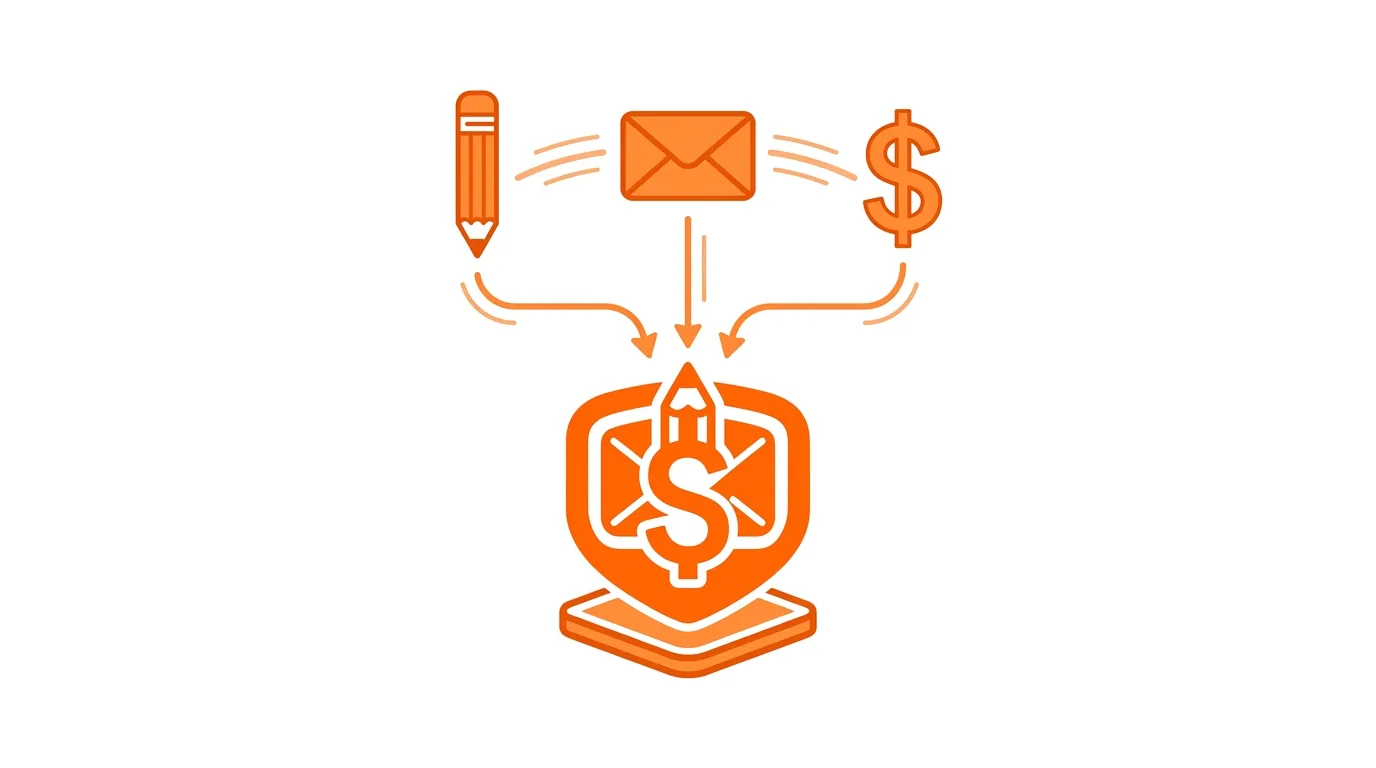
Substack combines publishing, email delivery, and payment processing into one integrated platform, removing much of the technical setup a paid newsletter would otherwise require.
Its built-in discovery features, including recommendations from other Substack writers, also offer organic growth opportunities that a standalone blog typically lacks.
Action step: Treat Substack as a combined publishing and business platform, not just a writing tool, since its payment and discovery infrastructure are core to its actual value.
Step 1: Define Your Newsletter’s Specific Niche
Successful paid newsletters typically serve a clearly defined audience with a specific, consistent value proposition.
Action step: Write a single clear sentence describing exactly who your newsletter serves and what specific value it provides, since vague, general-interest newsletters struggle to convert free readers into paying subscribers.
Step 2: Build a Free Tier That Demonstrates Real Value
Most successful paid newsletters start with free content that proves genuine value before asking for payment.
Action step: Publish consistently valuable free content for a meaningful period before introducing a paid tier, giving potential subscribers enough evidence of your work’s quality to justify eventually paying.
Step 3: Design a Clear Free vs. Paid Content Structure

Readers need to understand exactly what they get by upgrading to a paid subscription.
Common structures include:
- Free weekly content, with additional paid-only editions
- Free preview of each post, with paid subscribers getting full access
- Free general content, with paid subscribers getting exclusive deep-dives or bonus material
Action step: Choose one clear structure and stick with it consistently, since readers need predictable expectations about what paying actually unlocks.
Step 4: Price Your Subscription Thoughtfully
Substack’s standard pricing conventions offer a useful starting reference point.
Action step: Research pricing from comparable newsletters in your niche before setting your own price, and consider starting slightly lower initially, since raising prices later for new subscribers is easier than lowering them after establishing a higher price point.
Step 5: Use Substack’s Recommendation Network
Substack’s cross-promotion system, where writers recommend each other’s newsletters to their own subscribers, has become one of the platform’s most effective organic growth tools.
Action step: Reach out to newsletter writers in complementary (not directly competing) niches for mutual recommendations, since this remains one of the more effective organic discovery channels specific to Substack.
Step 6: Publish Consistently on a Realistic Schedule
Subscriber retention, especially for paid tiers, depends heavily on consistent, predictable publishing.
Action step: Choose a sustainable publishing frequency you can maintain long-term, since inconsistent delivery undermines the trust required to retain paying subscribers over time.
Step 7: Engage With Your Audience Through Comments and Community
Substack includes built-in commenting and community features that paid subscribers particularly value.
Action step: Actively respond to comments and consider occasional subscriber-only discussion threads, since this direct engagement often becomes a key value driver for paid subscribers beyond just the written content itself.
Step 8: Use Substack Notes for Additional Discovery
Substack’s Notes feature functions similarly to a social feed, letting writers share shorter updates and thoughts beyond full newsletter editions.
Action step: Use Notes regularly to share quick insights or updates between full newsletter editions, since consistent Notes activity has become another meaningful discovery channel within Substack’s ecosystem.
Step 9: Offer Founding Member Tiers for Early Supporters
Many successful Substack writers offer a higher-priced “founding member” tier for particularly dedicated early supporters.
Action step: Consider a founding member tier with modest additional perks, since some readers genuinely want to support writers they believe in beyond the standard subscription price.
Step 10: Track Subscriber Analytics and Adjust
Substack provides analytics on subscriber growth, open rates, and conversion from free to paid tiers.
Action step: Review which specific posts drive the most free-to-paid conversions, using this data to understand what content genuinely motivates readers to start paying.
Step 11: Repurpose Newsletter Content Across Other Platforms
A well-written newsletter edition often contains enough material for supplementary content elsewhere.
Action step: Break out key points from your newsletter into standalone posts on other platforms like Threads, X, or LinkedIn, using them to drive traffic back to the full edition and grow your subscriber base beyond Substack’s built-in discovery alone.
Step 12: Understand Substack’s Fee Structure
Substack takes a percentage of paid subscription revenue, alongside standard payment processing fees.
Action step: Factor Substack’s specific fee structure into your pricing decisions, since understanding your actual take-home revenue per subscriber helps set realistic income expectations as your subscriber base grows.
How Substack Compares to Other Newsletter Platforms
Choosing between Substack and alternatives like Beehiiv or ConvertKit depends on your specific priorities.
Action step: Substack’s built-in discovery network and simplicity make it a strong starting point for most independent writers, while platforms with more advanced automation or design customization may suit writers with more specific technical needs beyond straightforward newsletter publishing.
Common Mistakes When Building a Paid Newsletter
Introducing a paid tier too early. Readers need sufficient evidence of value before committing to payment.
Inconsistent publishing schedule. Unpredictable delivery undermines subscriber trust and retention, particularly for paid tiers.
Ignoring Substack’s built-in discovery tools. Recommendations and Notes offer meaningful organic growth that many writers underutilize.
How To Use HeyGen for AI Avatar Videos in 2026
Final Thoughts
Building a successful paid newsletter on Substack comes down to clearly defining your niche, proving value through consistent free content first, and leveraging the platform’s built-in discovery tools like recommendations and Notes. Price thoughtfully, publish consistently, and engage genuinely with your community to build the kind of trust that turns free readers into long-term paying subscribers.
