Algorithm changes rarely come with a detailed announcement.
Creators and businesses usually notice through shifting reach and engagement patterns long before any official confirmation. Here’s a roundup of how the Instagram and TikTok algorithms have evolved through 2026, based on observable platform behavior and official statements.
Instagram: Deeper Interest-Based Discovery
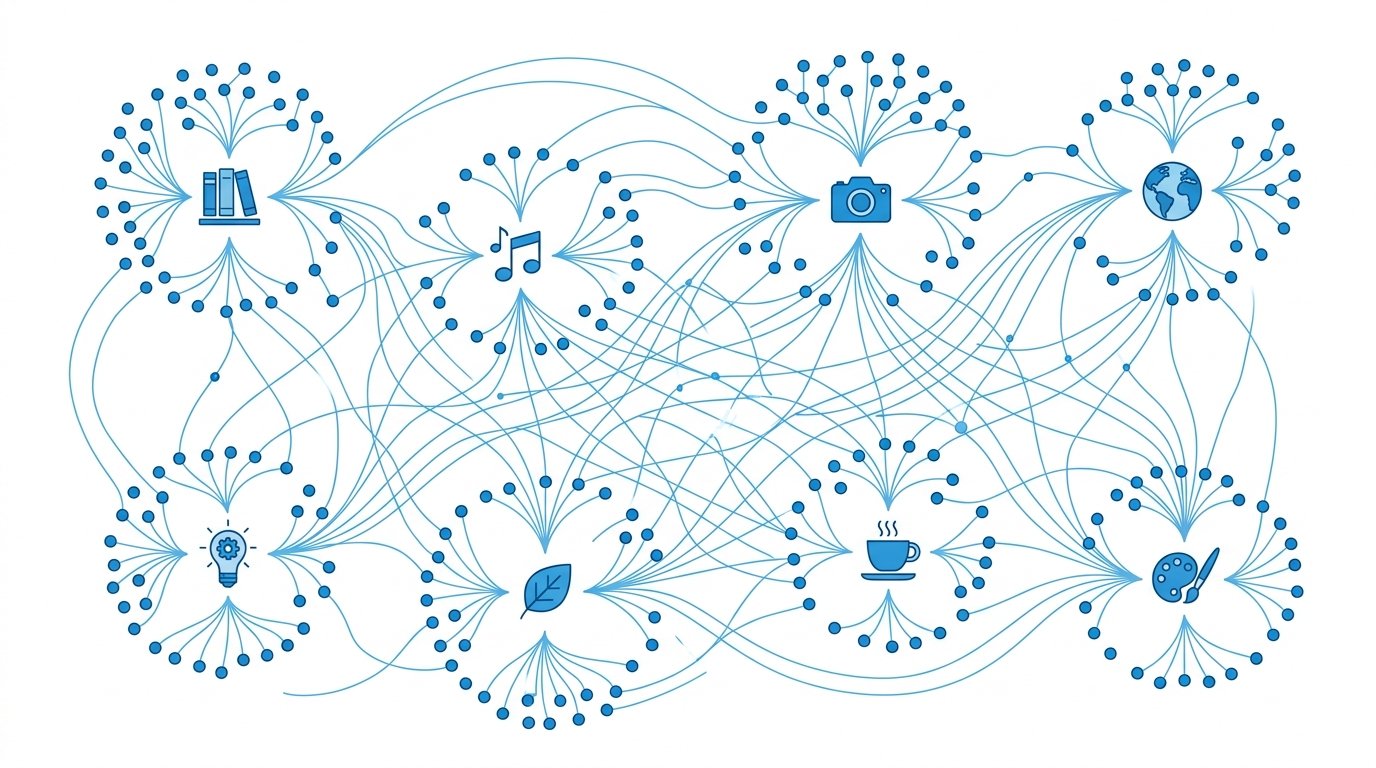
Instagram’s algorithm has continued moving away from a purely chronological, follow-based model.
Content discovery now weighs nuanced interest signals more heavily, meaning your content can reach entirely new audiences based on engagement patterns rather than just your existing follower base. This shift has made Explore and Reels increasingly central to how new audiences discover accounts.
What this means practically: Accounts with lower follower counts but strong engagement rates can now compete for reach in ways that weren’t as possible when the algorithm favored established, larger accounts more heavily.
Action step: Focus on content that drives genuine engagement — saves, shares, and comments — since these signals increasingly outweigh simple follower count in determining reach.
Instagram: Reels Continue to Dominate Reach
Reels remain the strongest lever for algorithmic reach on Instagram throughout 2026.
Static posts and carousels still perform well for engagement among existing followers, but Reels continue to receive priority placement for reaching new, non-follower audiences through Explore and the dedicated Reels tab.
Action step: If new audience growth is a priority, Reels should make up a meaningful portion of your content mix, even if static posts remain valuable for engaging your existing audience.
TikTok: Increased Weight on Watch Time and Completion Rate
TikTok’s algorithm has continued refining how it weighs watch time signals.
Full video completion and rewatches now carry more algorithmic weight than simple likes or shares, pushing creators toward tighter, more engaging editing that holds attention through the entire video length.
What this means practically: Shorter, tightly edited videos with strong pacing often outperform longer videos with slower buildups, even when the longer video contains more information.
Action step: Review your average watch time and completion rate in TikTok analytics, and consider tightening pacing on videos where viewers consistently drop off early.
TikTok: Search Behavior Increasingly Shapes Discovery
TikTok has continued developing its search functionality, with more users treating it like a search engine rather than purely a discovery feed.
This has made keyword-relevant captions and on-screen text increasingly important for discoverability, not just for entertainment-focused content but for how-to and informational videos specifically.
Action step: Include clear, searchable keywords in captions and on-screen text, since TikTok search behavior has become a meaningful discovery channel alongside the traditional For You feed.
Cross-Platform Trend: AI-Assisted Content Ranking
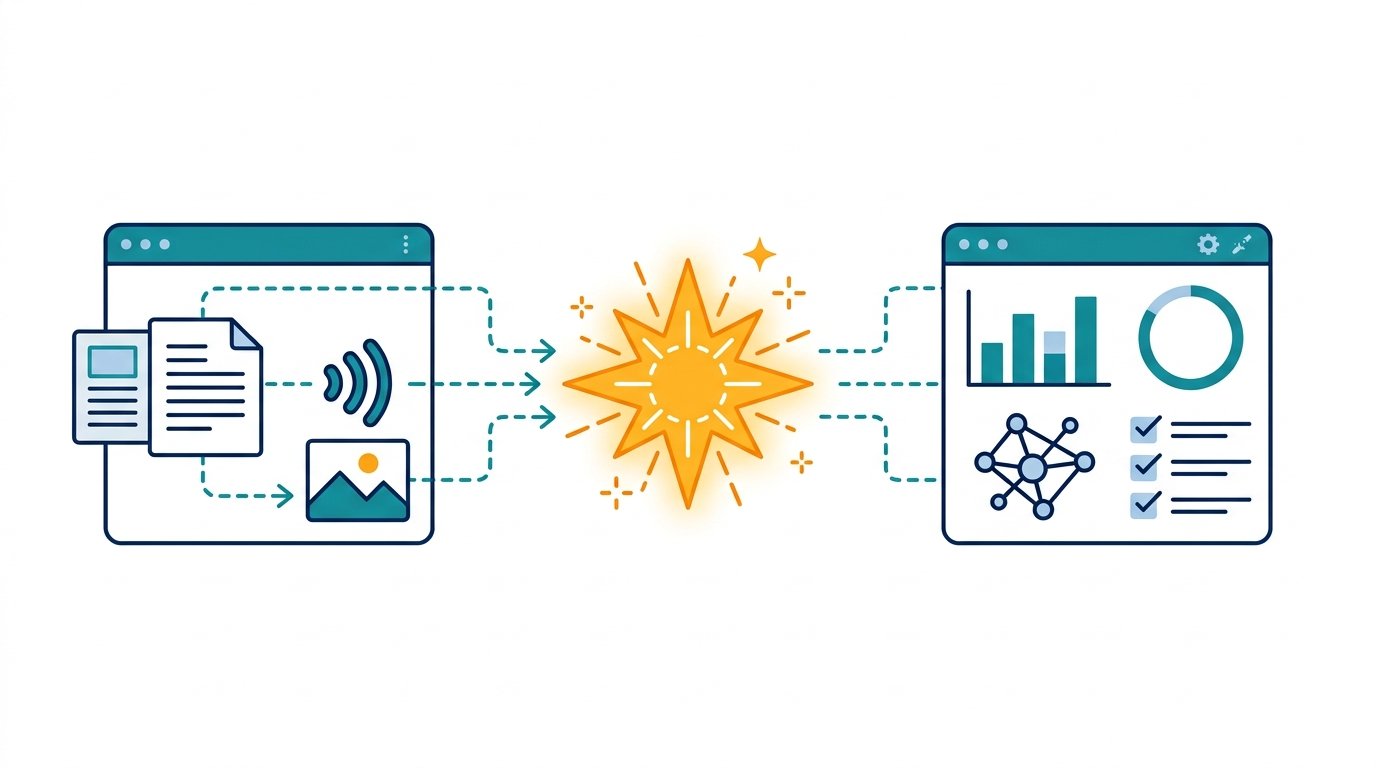
Both platforms have leaned further into AI-driven content understanding, going beyond simple engagement metrics to analyze content itself — including spoken audio, on-screen text, and visual elements.
This means both platforms can now better match content to relevant audiences based on what the content actually contains, not just how people have engaged with similar posts in the past.
Action step: Ensure your captions, on-screen text, and even spoken content clearly reflect your video’s actual topic, since AI-driven content analysis increasingly factors into how content gets categorized and distributed.
What Hasn’t Changed: Consistency Still Matters
Despite these algorithmic shifts, one principle has remained constant across both platforms.
Consistent posting continues to outperform sporadic bursts of activity, since both algorithms appear to favor accounts showing regular, predictable activity patterns over accounts that post heavily then go quiet for extended periods.
Action step: A sustainable, realistic posting schedule you can maintain long-term continues to outperform an aggressive short-term push followed by inconsistency.
How These Changes Affect Small Accounts Versus Established Ones
Smaller accounts have arguably benefited most from these shifts.
The increased weight on engagement quality over raw follower count means genuinely engaging content from smaller accounts can now compete for reach in ways that weren’t as possible under older, more follower-weighted algorithm versions.
Action step: If you’re growing a smaller account, prioritize engagement-driving content formats specifically, since the current algorithmic environment rewards this more than it has in previous years.
What This Means for Businesses and Brands
Businesses posting primarily promotional content have generally seen reduced organic reach compared to accounts mixing in genuine value and entertainment.
Action step: Balance promotional content with genuinely useful or entertaining posts, since both platforms’ current algorithms appear to deprioritize accounts that post exclusively promotional material.
YouTube Shorts: A Growing Third Contender in Short-Form Reach
While Instagram and TikTok dominate most short-form video discussion, YouTube Shorts has continued gaining meaningful algorithmic sophistication throughout 2026.
YouTube’s broader search and recommendation infrastructure gives Shorts a distinct discovery advantage, often surfacing content to viewers based on long-term interest history built from their regular YouTube viewing habits, not just recent Shorts engagement alone.
Action step: If you’re already investing in short-form video for Instagram or TikTok, repurposing that same content to YouTube Shorts costs relatively little extra effort and taps into a genuinely different discovery system.
How Algorithm Changes Get Detected Before Official Announcements
Most algorithm shifts aren’t announced directly — they’re detected through pattern observation across many accounts.
Common signals creators watch for:
- Sudden, widespread reach changes affecting many accounts simultaneously, not just one
- Shifts in which content formats consistently outperform others
- Changes in how quickly new posts start gaining traction after publishing
Action step: Rely on patterns observed across multiple reputable creator and marketing sources, rather than a single account’s anecdotal experience, since individual account performance can fluctuate for many reasons unrelated to broader algorithm changes.
Staying Ahead of Future Algorithm Changes
Algorithms will keep evolving, often without clear public announcements.
Action step: Rather than chasing every rumored algorithm change, focus on the consistent underlying principles — genuine engagement, consistency, and content that clearly communicates its own topic — since these fundamentals have remained stable even as specific ranking factors shift.
Following each platform’s official creator or business blog remains the most reliable way to catch confirmed changes, rather than relying solely on secondhand speculation.
6 Best AI Note-Taking and Organization Tools in 2026
Final Thoughts
Both Instagram and TikTok have continued refining their algorithms throughout 2026, generally rewarding genuine engagement, consistency, and content that clearly communicates its topic. While specific ranking factors will keep shifting, these underlying principles have remained a reliable foundation for content strategy regardless of the exact algorithmic details at any given moment.
